

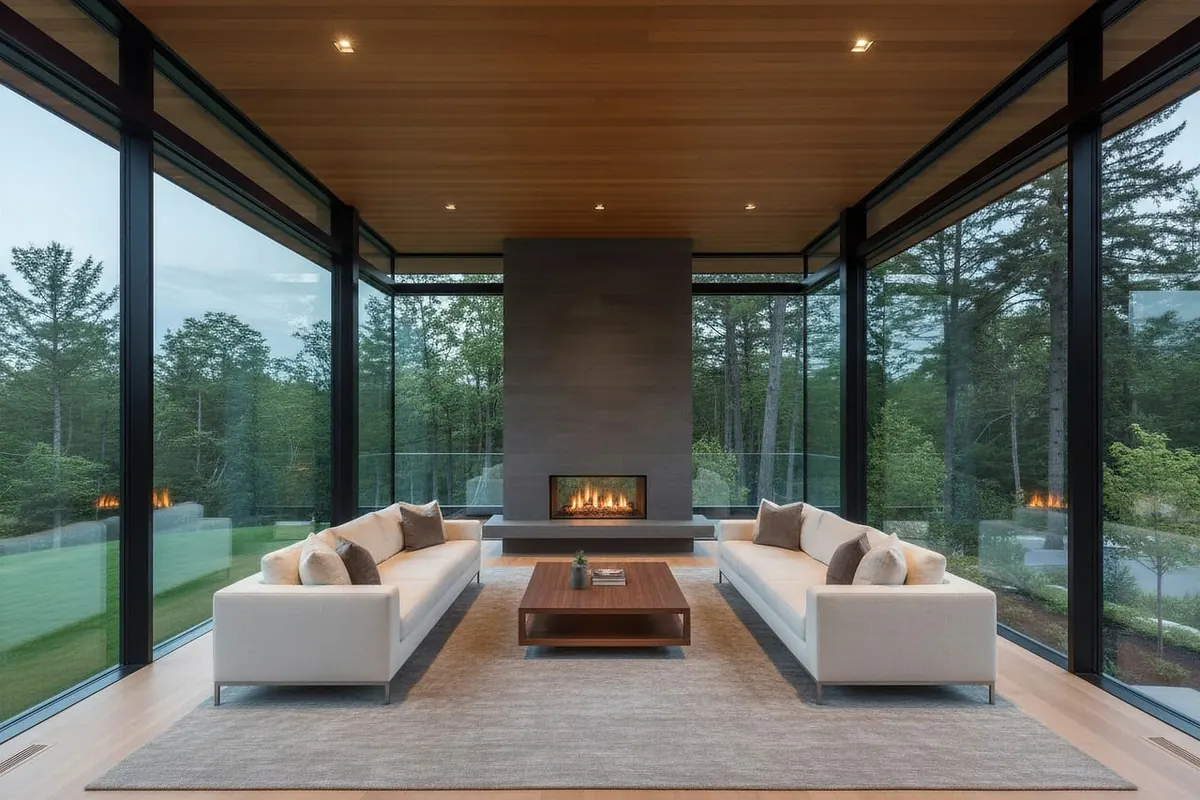
A fireplace ought to be the easiest thing in the room to arrange furniture around. In practice, it is often the hardest. The hearth pulls every chair towards it, the chimney breast splits the wall in two, and the radiators, doorways and television refuse to move politely out of the way. Get the arrangement wrong and you end up with a room that looks tidy in a photograph but feels cold, cramped and oddly unsociable in real life.
The good news is that most fireplace layouts go wrong in a handful of predictable ways. Here are the seven we see most often, along with fixes you can put into practice this weekend.
1. Pushing furniture flush against the hearth
A sofa crowded right up to the fire looks inviting and behaves badly. Radiant heat has nowhere to go except into the back of it. Wood dries and splits, leather stiffens, fabric fades unevenly, and whoever takes the nearest seat edges their chair backwards within ten minutes.
Leave a clear apron of floor in front of the hearth — roughly 60–90cm for an open fire, and more for a stove that throws heat forward. Keep chair backs at least a metre from the flames. Furniture legs should never sit on the hearth itself.
- Check that sparks and embers cannot reach textiles, even during an enthusiastic poke of the fire.
- Make sure heat can travel into the room rather than soaking into upholstery.
- Leave room for children and pets to pass without brushing the fireguard.
2. Building a single row that faces the fire
Two sofas set in parallel, both pointing at the chimney breast, is the classic mistake. It works beautifully for staring at flames and badly for everything else: you end up talking to the side of someone's head, or leaning forward to catch what they said.
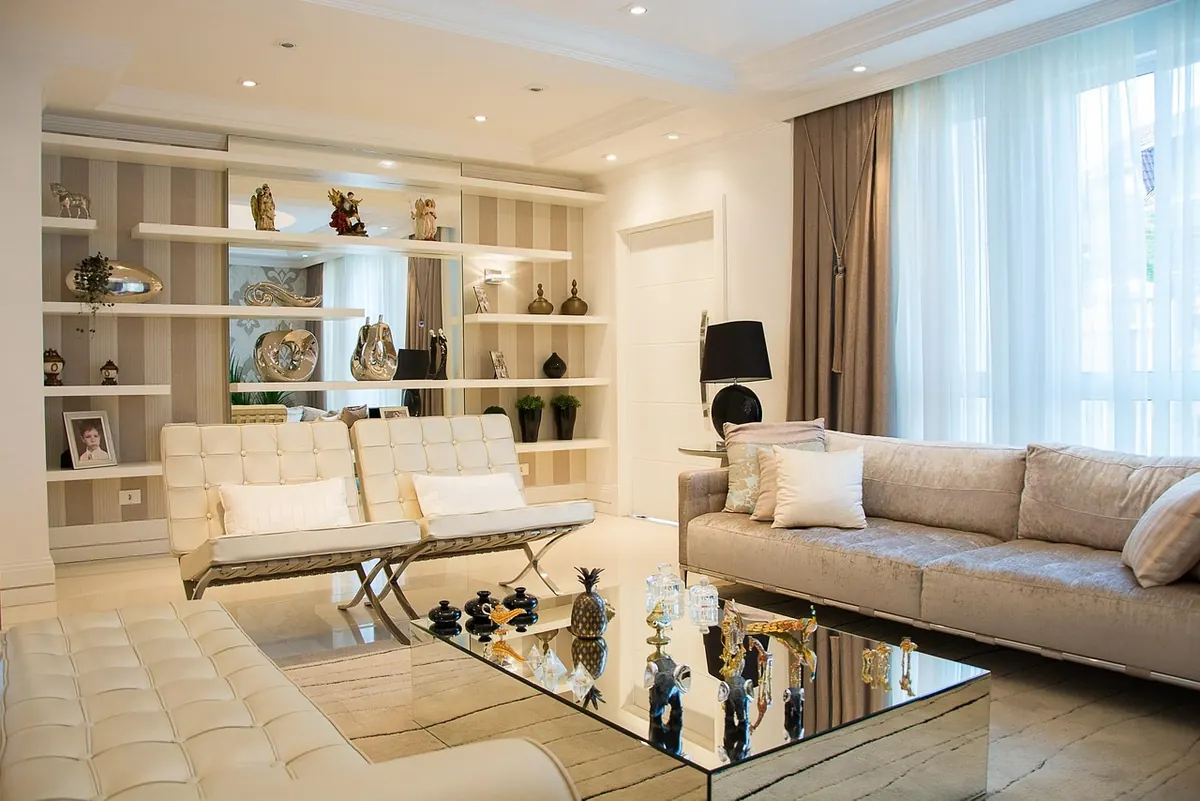
Instead, think in angles. Put the main sofa at right angles to the chimney breast, add two armchairs angled about 30–45 degrees towards the fire, and let the group form a rough square or triangle. Keep the main seats within about 2.5 metres of one another — beyond that, conversation becomes a project rather than a pleasure. If you have the space, a pair of small stools or an ottoman tucked opposite the sofa closes the circle without blocking the view of the fire.
3. Letting the fire hog every sightline
Because a fireplace is such a strong focal point, it is tempting to arrange the whole room around it — including the television, often mounted directly above the mantelpiece. That particular arrangement usually disappoints: the screen sits too high for comfortable viewing, and heat and soot are unkind to electronics over time.
Give the room two anchors instead of one. Move the television to a perpendicular wall, an alcove or a corner, then angle the seating so both the fire and the screen are reachable with a turn of the head. Windows, garden doors and a favourite armchair view all deserve the same consideration.
4. Ignoring the walking routes
Before you move a single piece, walk the paths people actually take: hall door to kitchen, sofa to window, armchair to bookshelf. A main route needs around 90cm of clear floor; a secondary one can manage 60–70cm.
The most common casualty is a sofa placed squarely across the shortest line between two doorways. Guests then squeeze behind the seats, knock drinks off side tables and tread on the rug fringe. If a route must pass behind seating, allow at least 70cm so people can walk without turning sideways.
5. Choosing a rug that floats instead of anchoring
A rug that is too small leaves the furniture looking as though it is drifting towards the walls. As a rule, the front legs of every main seat should sit on the rug, and the rug should extend 20–30cm beyond the outermost chairs.
Keep it well clear of the hearth, too. Thin, loose-weave rugs near an open fire are a nuisance at best, and a trip hazard when someone steps back from a hot grate. Measure the seating group once it is in position rather than guessing, and choose the largest rug the room can comfortably take.
6. Chasing symmetry at the expense of how you live
Twin sofas flanking a fireplace look superb in a showroom and slightly absurd in a household of five who all want to watch the same film. Perfect symmetry also draws attention to every uneven wall and off-centre chimney breast.
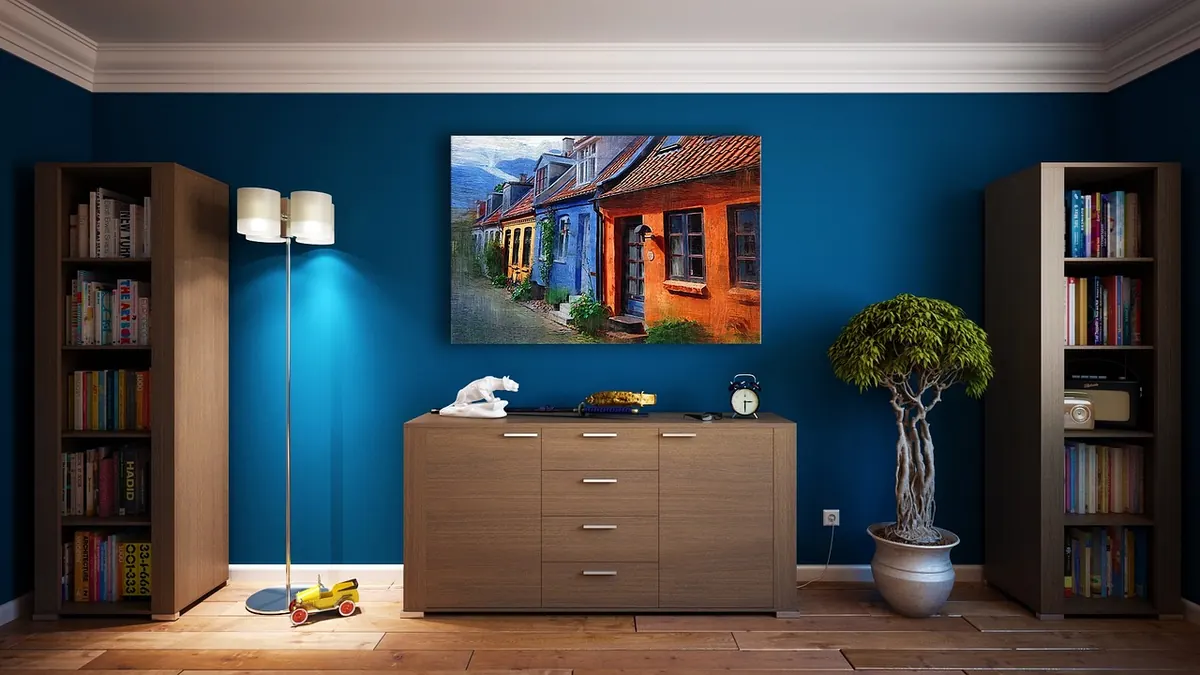
Balance weight rather than mirroring it. A three-seater with two armchairs is usually more flexible than two matching sofas. If the left side of the room carries a heavy bookcase, give the right side a tall lamp, a plant or a substantial side table. Uneven numbers of seats almost always feel friendlier.
7. Cramming oversized furniture into a modest room
Measure the chimney breast and the hearth before you go shopping, then measure the gap between the fireplace and the opposite wall. An enormous corner sofa in front of a small Victorian fireplace will always look wrong, and it usually leaves no floor space for anything else — including a route to the door.
Allow for anything that moves: recliners need clearance behind them, hinged doors need a full swing, and a chaise needs a view. If a piece only fits when it is pushed hard against the skirting, it is the wrong piece.
How to test a layout before you commit
Taped outlines and a little patience will save you a great deal of heavy lifting.
- Mark furniture footprints on the floor with masking tape or newspaper.
- Sit in each position — with the fire lit, if you can — at the time of day you normally use the room.
- Walk the space carrying a full mug in each hand.
- Check the sightlines: to the television, from the doorway, and from every seat.
- Live with the layout for a few days before buying or moving anything permanently.
Small adjustments often make the biggest difference: nudging a chair 20cm off the wall, swapping a side table for a slim console, or angling the sofa so it faces the fire and the window at once. A good fireplace layout disappears from notice — you simply feel warm, and everyone can hear each other.
If you have a solid-fuel stove or an open fire, follow the manufacturer's or installer's clearance guidance rather than a rule of thumb, and keep the chimney swept and checked as recommended.
Photo: TheDigitalArtist / Pixabay