



Rented flats have a particular kind of cold. It seeps in under the front door, gathers in the corner the radiator never quite reaches, and settles on tiled floors and single-glazed windows. You can't knock through a wall or fit a wood-burning stove, and you probably don't want to spend a fortune on a place you'll leave in a year or two.
The good news is that warmth, as a feeling, comes from more than the number on the thermostat. It comes from soft surfaces, low light, the smell of something on the hob and a chair you actually want to sit in. Almost everything here is removable, renter-friendly and doable over a couple of weekends.
Deal with the draughts first
Draughts are the cheapest problem to fix and the one you'll notice most. Most of the cold air in a flat enters through a handful of predictable gaps: under the front door, around a letterbox, through keyholes, along sash window frames, and up through unused floorboards or an open chimney.
Walk around on a windy day with the back of your hand held near frames and skirting boards. Then work through the list:
- A fabric draught excluder or a rolled towel along the bottom of the front door.
- A brush or flap strip on internal doors, which also keeps heat in the room you're actually using.
- Adhesive foam or brush seals for window frames — peel-off types come away more cleanly than anything glued permanently.
- A letterbox flap or a piece of folded card, if the metal one rattles and leaks air.
- A chimney balloon for an open fireplace, if your tenancy allows it and the flue isn't in use.
Check your tenancy agreement before anything adhesive or fixed goes near a window or door, and test a strip on an inconspicuous patch first. Landlords are usually relaxed about removable seals; they're less relaxed about damaged paintwork.
Layer the floor
Bare boards, laminate and tiles pull heat out of a room — and out of your feet. A large rug, thicker than you think you need, is one of the best-value changes you can make. Go bigger than feels natural: a rug that leaves a wide border of cold floor doesn't do the job.
Where the budget won't stretch to a new rug, layer what you already have. A wool throw over a thin rug adds warmth and texture, and felt pads under furniture legs stop everything sliding about.
Change the light
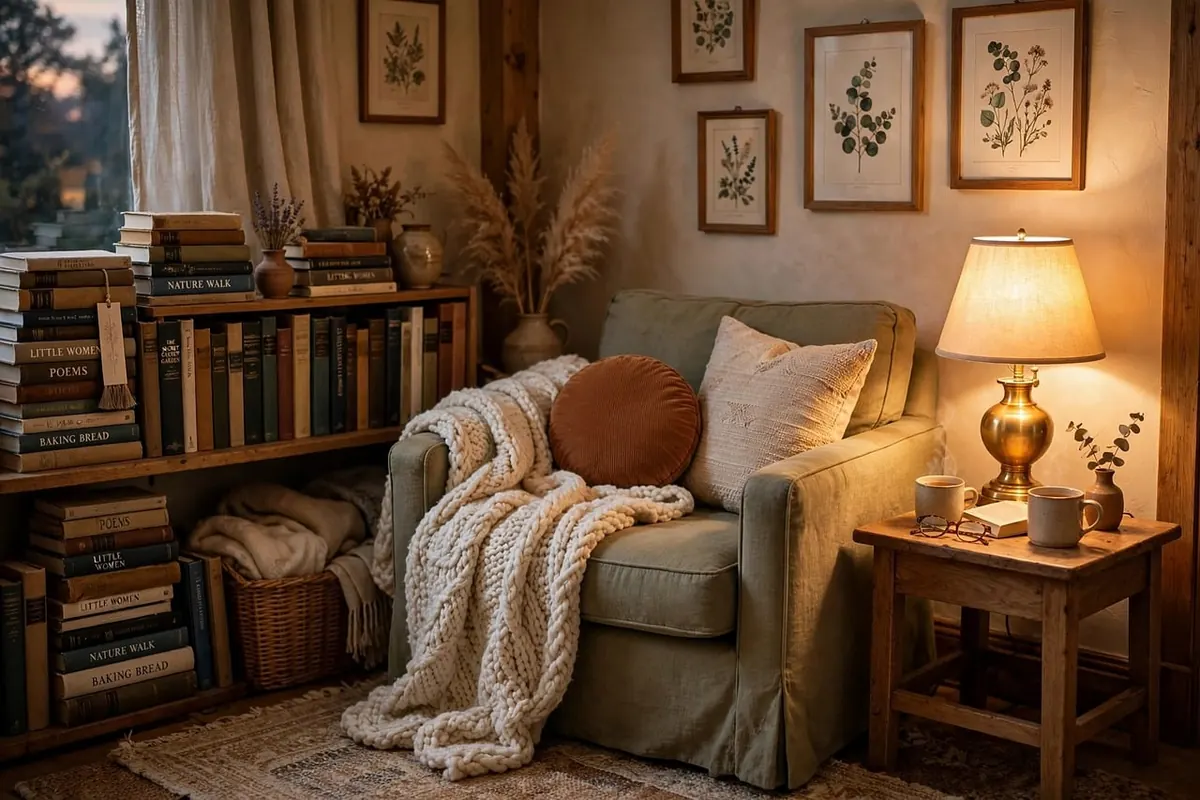
Overhead lighting makes a room feel clinical, no matter how warm the air is. Swap to lamps where you can: a floor lamp in a corner, a small one on a side table, a clip-on reading light by the sofa. Warm white bulbs, around 2700K, flatter wood, fabric and skin far better than cool white.
If your flat only has ceiling fittings, a dimmable bulb in the main light makes evenings feel far less like an office. A plug-in dimmer or a smart bulb you take with you when you move out is often fine, but ask first. Fairy lights in a jar and a candle or two on a tray are small things that change how a room feels after dark. Never leave candles burning unattended or close to curtains.
Add heat locally, and safely
If you're heating one room rather than the whole flat, a portable heater used in the room you're sitting in beats warming empty bedrooms. Oil-filled radiators give slow, steady heat; convection heaters warm a space faster; fan heaters are noisy but immediate. Second-hand models are widely available, but check the cord and plug carefully before buying.
A few safety points matter more than the model you choose. Stand the heater on a hard, level surface, keep it at least a metre from curtains, bedding and paper, plug it straight into a wall socket rather than an extension lead, and never leave it running overnight or while you're out. Follow the manufacturer's instructions, and if the wiring in your flat is old or sockets feel warm to the touch, ask your landlord to have it checked.
For the sofa itself, a hot water bottle, an electric blanket or an oversized jumper does more for comfort than another degree on the thermostat. Check electric blankets for frayed cords and worn patches before use, and replace rather than repair if you're in any doubt.
Warm the surfaces you touch
Cold hands make a room feel colder. Felt pads or knitted socks on chair legs, a wooden board on a tiled kitchen counter, a thick tea towel instead of a thin one, a bath mat that doesn't make you flinch — these are the details you notice every single day, and they cost very little.
Scent, sound and a bit of ritual
Smell and sound do a surprising amount of the work. A scented candle, a reed diffuser, or a pan of water with cinnamon and orange peel on a low hob signals "warm" to the brain long before your hands feel it. So does a radio at low volume, or a playlist you only put on in the evening.
Keep a window cracked for a few minutes a day, even in winter, and leave the bathroom door open after a hot shower. Airing a flat keeps damp at bay, and damp is what makes a cold room feel truly bleak.
Putting it together
Start with draughts, because they're cheap and immediate. Then add floor and furniture layers, then light, then scent. Work on one room — the one you sit in — rather than spreading your effort thinly across the whole flat. A weekend and a modest budget will get you most of the way.
Two last things. If a radiator never heats up, the boiler keeps cutting out or a window won't close, report it to your landlord in writing: keeping heating and hot water installations in working order is generally their responsibility, not yours. And if heating bills are worrying you, it's worth asking your energy supplier or local council what support might be available. They deal with this often, and there's no harm in asking.
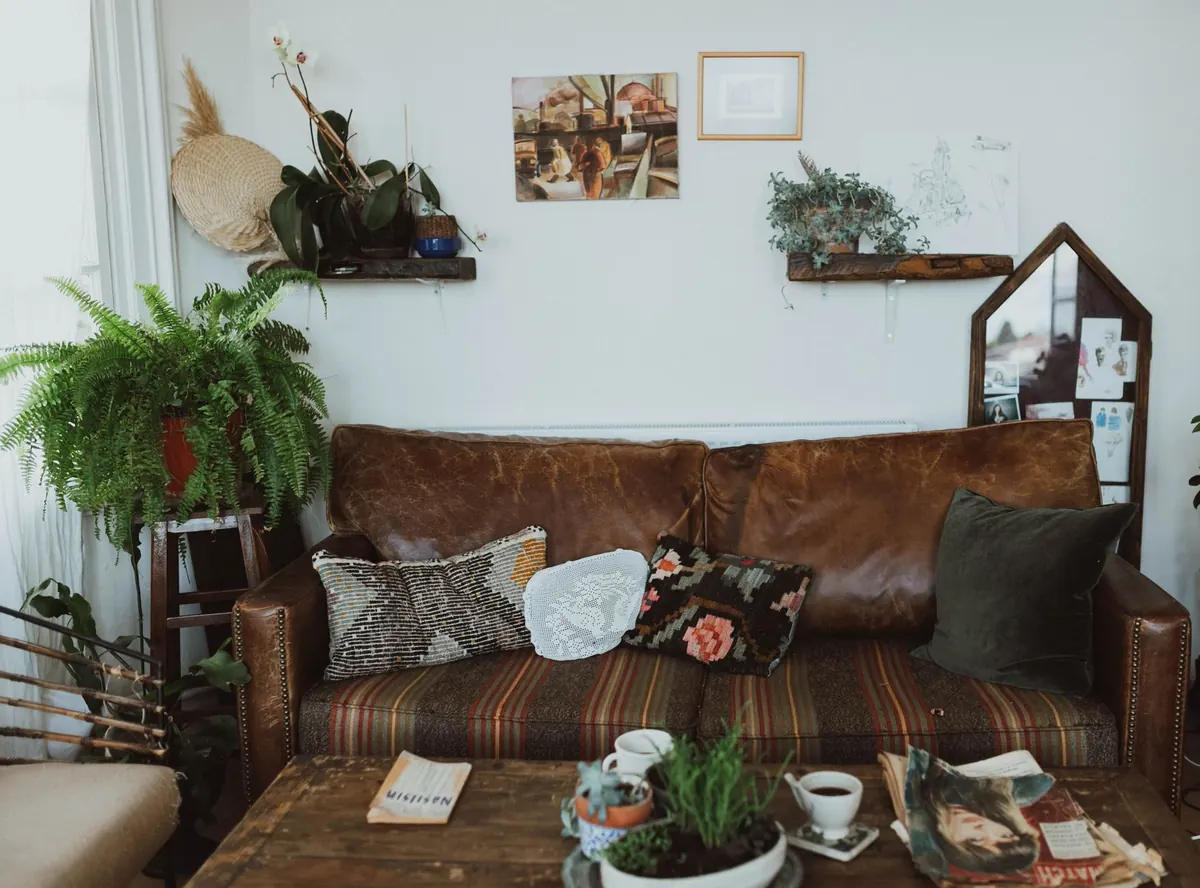
Photo: Tuğba Kobal Yılmaz / Pexels