

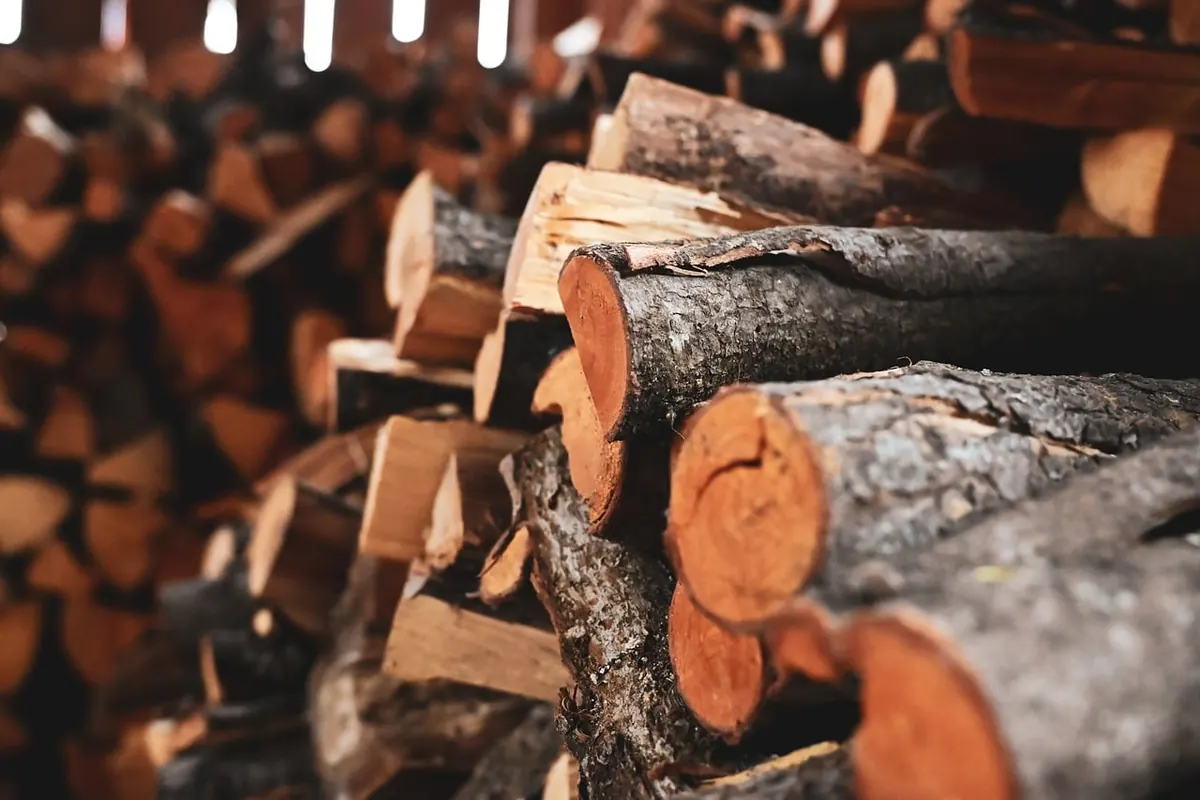
Few things do more for a British living room than an open fire on a wet Tuesday in February. The crackle, the smell, the way everyone drifts towards the same chair. But when the conversation shifts from atmosphere to actually heating the house, the wood-burning stove wins on almost every practical measure. Both have their place, and the right answer depends on your chimney, your budget and how often you light up.
How Each One Actually Heats a Room
An open fire is lovely to sit in front of and poor at heating a house. Most of the warmth disappears straight up the chimney, and the fire drags air out of the room to feed itself, which pulls cold air in under the doors and through the letterbox. Commonly quoted figures put an open fire at roughly a fifth efficient; a modern Ecodesign stove is often in the region of three-quarters. Treat any exact number with caution, because your chimney and fuel matter enormously, but the gap in practice is obvious.
A stove is an enclosed box with a controlled air supply. It burns the wood, then burns the gases the wood gives off, which is where much of the extra heat comes from. It radiates warmth in all directions rather than just forwards, and it keeps going. Load it well, damp it down and it will still be warm two hours later. An open fire is a hungry thing that wants feeding every twenty minutes and sulks when you stop.
Fuel, Running Costs and Smoke Control Rules
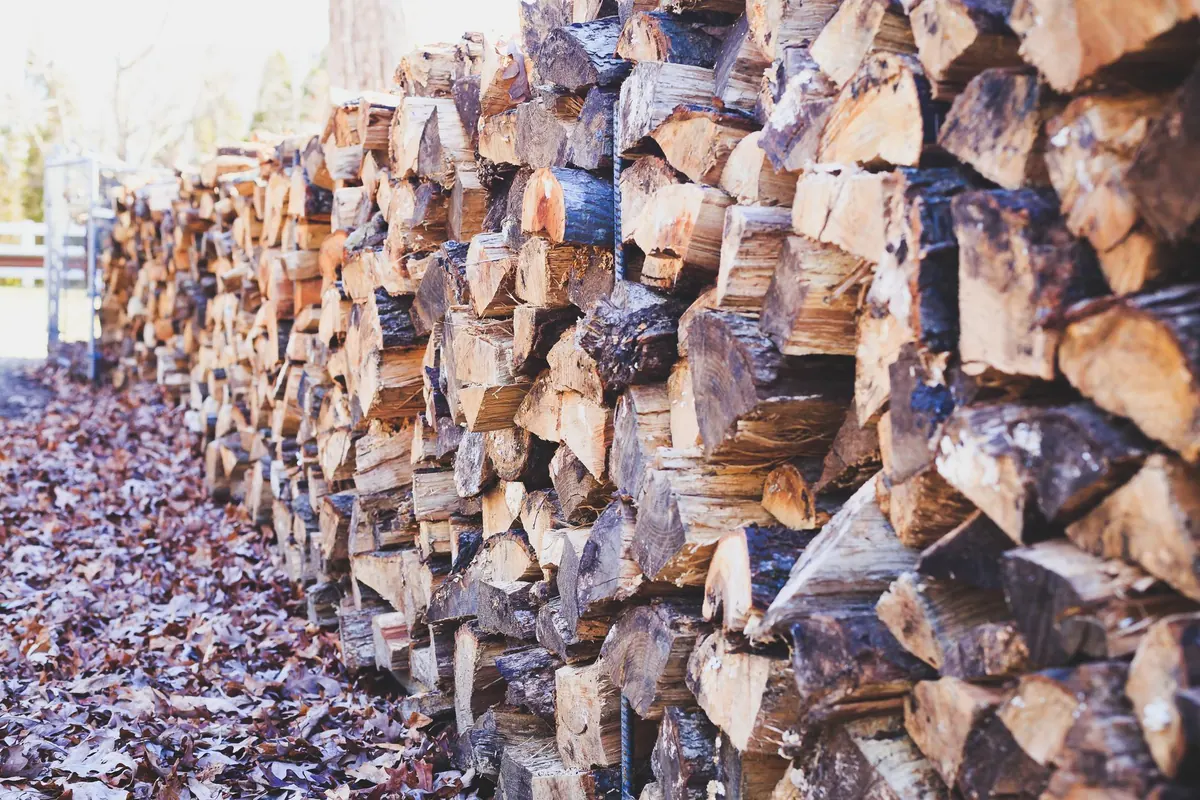
What you burn matters more than which appliance you burn it in. Seasoned or kiln-dried wood with a moisture content under about 20 per cent gives you real heat. Wet wood spends its energy boiling off water, chucks out smoke, and lines your flue with tar that is a genuine chimney fire risk. If you buy logs by the tonne, invest in a cheap moisture meter and stack next year's supply now.
Because a stove extracts more heat from every log, it gets through noticeably less wood for the same warmth. That usually means lower running costs, and less lugging of baskets.
- Check your area. Many UK towns and cities are smoke control areas, where you may only burn authorised smokeless fuel or use a DEFRA-exempt appliance. Your local council website will tell you.
- Never burn painted or treated timber, pallet wood of unknown origin, or household rubbish. They can release harmful fumes and damage the flue.
- Think about storage. A stove needs a dry, ventilated log store within reasonable walking distance of the door.
Installation: What's Realistically Involved
This is where the two options diverge most sharply, and where costs can surprise you. Any work on a solid fuel appliance touches building regulations, and in a listed building or conservation area you may need consent as well. Take professional advice before you commit to anything.
Reopening or keeping an open fire
If the fireplace is already there and the chimney is sound, an open fire can be the cheaper route. You will want the chimney swept and checked for cracks in the flue, the fireback and the surrounding brickwork. A wide, open throat pulls a huge volume of air, so make sure the room has adequate ventilation and that the hearth is in good order.
Fitting a wood-burning stove
Most stoves are installed into an existing fireplace opening with a register plate sealing the gap, and usually with a flexible stainless steel liner dropped down the chimney. The liner gives you a known, sound flue and makes sweeping easier. If there is no chimney, a twin-wall insulated flue can run up an outside wall, which needs brackets and sometimes scaffolding. Appliances over 5kW generally require a permanent air vent in the room.
Use a registered installer — HETAS engineers are the usual benchmark in the UK — or submit a building notice and have the work signed off. Get three quotes, ask what happens to the chimney liner and the ventilation, and mention the installation to your home insurer, because some policies ask to be told.
Maintenance: The Honest Picture
Both need an annual sweep, and both will punish you for a year of neglect. The difference is in the weekly jobs.
- Every fire: sweep the chimney at least once a year, more often if you burn daily through winter.
- Stove: empty the ash pan before it overflows, wipe the glass with a damp cloth and ash, check the door rope seal and the firebricks, and lift out the baffle plate now and then to clear soot.
- Open fire: rake out ash regularly, check the grate for burn-through and the fireback for cracks, and keep an eye on the chimney, which tars up faster on a sloppy fire.
- Both: keep the flue warm, burn dry fuel and never slumber a fire overnight with wet wood.
Cosy Appeal
An open fire is unbeatable for the senses: the sound, the smell, the flames you can actually see without glass in the way. It suits a room used occasionally, a period property, a house where the fire is theatre rather than heating.
A stove is quieter and cleaner-looking, and the flame picture through the door is surprisingly good once it is up to temperature. It dominates a small room, though, and there is a certain amount of knob-twiddling involved. The honest summary: an open fire is more romantic, a stove is warmer. If you want both, a stove with a large glass door is the usual compromise.
Which Should You Choose?
If the fireplace already exists and you want the room genuinely warmer, a stove fitted into the opening is usually the best-value upgrade. If the fire is lit a handful of evenings a year and you love the ritual, an open fire may be all you need — as long as you accept that most of its heat is going up the chimney.
Before you spend anything, check whether you are in a smoke control area, confirm what your chimney can take, and get quotes from registered installers rather than a friend of a friend. Then budget for an annual sweep and a decent store of dry wood.
Get those basics right and either option will serve you well. Get them wrong and neither will.
Photo: cecigre / Pixabay